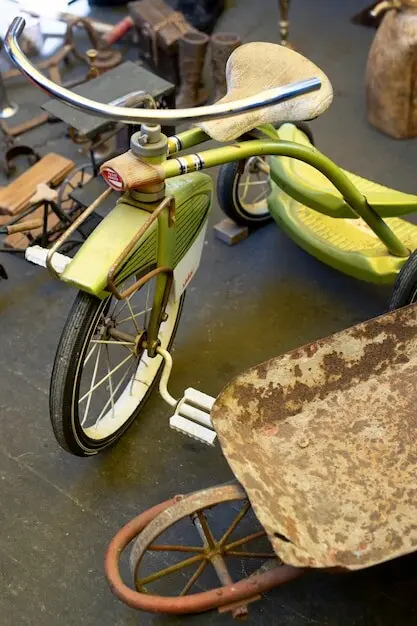
Second Lives, Lasting Joy: Furniture Reborn with Care
Today we dive into Upcycling Journeys: Personal Stories of Transforming Secondhand Furniture Sustainably, celebrating real voices transforming forgotten pieces into beloved daily companions. Expect practical guidance, honest mistakes, emotional wins, and mindful creativity that reduces waste, honors craft, and strengthens community. Share your own restoration milestones, subscribe for fresh ideas, and join a growing circle turning thrifted finds into enduring, low-impact treasures.

Foundations of Thoughtful Revival
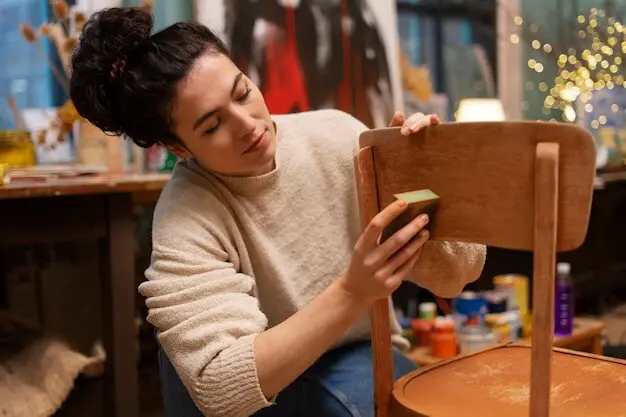
Before the first screw turns, intention sets direction. We examine how to choose pieces that deserve another chapter, read structural clues, and honor the memories already etched into wood, metal, and fabric. With gentle curiosity and a sustainability lens, you’ll plan projects that feel meaningful, doable, and respectful to materials, your time, and the planet. Save photos, measure twice, sketch possibilities, and invite patience to guide every decision.
Essentials That Earn Their Place
Start with a reliable screwdriver set, square, clamps, putty knife, card scraper, quality brush, microfiber cloths, and a random-orbit sander with varied grits. Add wood glue with appropriate open time, wood filler, and a small chisel for stubborn joints. Label containers, decant finishes smartly, and store rags safely in sealed tins. Keep your kit portable and intentional, upgrading slowly as repeat needs reveal themselves over time.
Low-VOC Finishes and Adhesives
Choose waterborne polyurethanes, plant-based hardwax oils, shellac flakes dissolved fresh, and casein or PVA glues certified for indoor air quality. Read safety data sheets and heed cure times, which differ from dry-to-touch. Ventilate crosswise, use a carbon-filter mask for solvents, and avoid shortcuts with heat guns near finishes. Test on hidden areas first, because sustainable choices shine brightest when appearance, durability, and repairability meet gracefully together.
Safety Rituals That Stick
Create repeatable habits: vacuum often, mask up before mixing dust and finishes, and secure workpieces to prevent slips. Keep a first-aid kit, eye wash bottle, and fire-safe disposal for oily rags. Log materials used, reactions noticed, and improvements needed. Respect fatigue; stop before focus fades. These rituals protect your future projects, your household, and the quiet joy that comes from restoring something worthy without sacrificing long-term well-being.
Surface Alchemy: Stripping, Sanding, and Repair

Gentle Stripping for Stubborn Coats
Begin with the least aggressive approach: biodegradable gel strippers, plastic scrapers, and brass brushes for carved details. Work in sections, covering to prevent premature evaporation. Neutralize residue per manufacturer guidance, then rinse or wipe carefully. Avoid gouging; you’re uncovering stories, not removing them. If mechanical stripping is needed, protect veneers and edges with painter’s tape, moving slowly, pausing often, and reassessing each layer as surprises reveal themselves.
Smart Sanding Strategy
Pick a grit progression that respects time and material, often starting near 120 and ending near 220 on hardwoods. Sand with the grain, lighten pressure at edges, and prioritize fresh discs to avoid burnishing. Hand-sand final passes for control, especially around profiles. Vacuum thoroughly between grits, wipe with a lightly damp cloth, and inspect under raking light. Fewer, better passes beat frantic overworking that flattens history and charm.
Joinery Repairs That Last
Dry-fit every repair before glue. Use hide glue for reversibility on antiques, or a strong PVA for modern pieces. Protect faces with cauls, apply consistent clamp pressure, and verify square. For stripped screw holes, use hardwood dowels or toothpicks with glue, not oversized screws. When replacing missing veneer, match grain and tone, feather edges, and blend carefully. Invisible isn’t required; integrity and harmony often age more gracefully together.
Design Stories: Color, Texture, and Character
Sample swatches in morning and evening light, comparing muted greens, deep blues, or tender creams against uncovered wood tones. Consider how color influences perceived size and mood. A bold drawer front can sing while a quiet carcass supports. Seal stains that might bleed through with shellac. Invite contrast through natural tops and painted bases, letting wear accumulate gracefully where hands meet edges, because patina earned slowly becomes the truest decoration.
Resist sanding away every tiny groove; many textures tell human stories worth preserving. Use wire brushes sparingly to reveal grain, and burnish wear points gently for a softened sheen. Linen, wool, and recycled cotton add tactile warmth without synthetics. Layer wax atop oil for subtle grip. Let tiny dents remain, mended yet visible, signaling care rather than denial. Texture invites touch, transforming furniture from backdrop into beloved participant.
Choose knobs and pulls that echo era and intent rather than shout for attention. Clean original brass with restraint, preserving oxidation where it flatters. For replacements, consider salvaged pieces before buying new. Align handles precisely, back them with washers where wood is tender, and pre-drill to prevent splits. Hardware can bridge antiques and contemporary rooms, offering a handshake between histories while keeping repairability simple and future swaps easy.
Measuring What Matters
Estimate landfill diversion by volume and calculate embodied carbon saved by keeping hardwoods in use. Track product leftovers to cut waste next time. Note time spent versus enjoyment earned, because satisfaction is a valid metric. Document durability milestones, like a year without wobble or chip. Sharing small victories builds momentum, and numbers make intangible progress visible. Invite readers to comment with their own tallies and clever tracking ideas.
Budgeting Without Compromise
Set a ceiling before buying supplies, then segment for repairs, finishes, and contingencies. Hunt coupons, buy abrasives in value packs, and split bulk materials with friends. Choose upgrades that matter—better brush, safer mask—while postponing flashy extras. Track actuals against estimates to refine instincts. Celebrate cost-per-use dropping as the piece serves daily life. Invite subscribers to share thrifty hacks, lending fresh perspectives that keep creativity high and spending grounded.
Care, Longevity, and Styled Living
Finishing a piece begins a new relationship, not an ending. We discuss maintenance routines, seasonal check-ins, and gentle cleaning that protects finishes without harsh chemicals. Small habits—coasters, felt pads, and shade from fierce sun—extend beauty meaningfully. We also style thoughtfully, integrating restored items into rooms with plants, textiles, and light that flatter surfaces. Finally, we plan future repairs, embracing evolution as proof of love rather than failure.


All Rights Reserved.