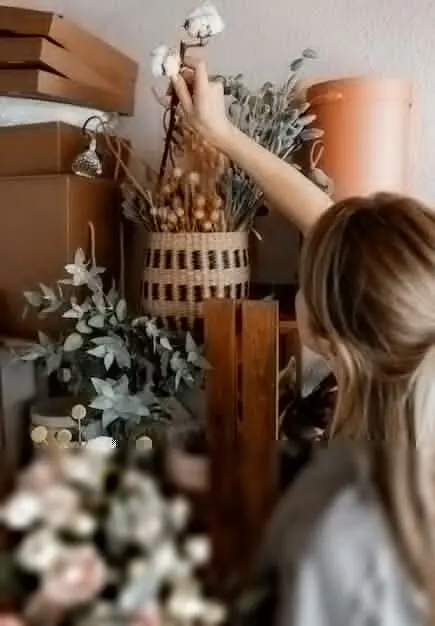
Heirloom Care Chronicles: Preserving Family Pieces with Sustainable Methods

Welcome to Heirloom Care Chronicles: Preserving Family Pieces with Sustainable Methods, a warm guide to honoring objects that carry memory. Together we will clean gently, store wisely, repair reversibly, and document meaningfully, using low-tox, resource-aware habits that protect both lineage and planet. Expect practical checklists, heartfelt stories, and conversations that help your grandmother’s quilt, your father’s watch, or a handwritten recipe thrive for the next hands ready to cherish them with gratitude.

Test Before You Treat

Spot‑testing in an inconspicuous place saves heirlooms from irreversible harm. Try a barely damp swab, watch for color transfer, and pause if fibers swell or finishes dull. Document each trial with notes and photos, then proceed only if stability is clear. This calm, investigative habit prevents heartache and supports consistent, sustainable decisions across future cleanings.

Choose Earth‑Friendly Tools and Agents

Reach for fragrance‑free, pH‑neutral solutions, microfiber made to shed fewer fibers, and soft natural bristle brushes. Repurpose washed cotton T‑shirts as polishing cloths, avoiding disposable wipes and harsh solvents. A few drops of mild soap in deionized water often outperform aggressive cleansers. Your air, skin, and the object’s original finishes benefit from gentler, planet‑respecting care.

Storage, Climate, and Light: Quiet Guardians of Longevity

The calm between moments of use is where longevity truly forms. Stable temperature, moderate humidity, low light, and clean air prevent slow, silent damage. Thoughtful storage systems—archival boxes, inert sleeves, gentle supports—let heirlooms rest without pressure points or chemical surprises. These invisible guardianship choices are profoundly sustainable, minimizing interventions and future resource‑heavy repairs.

Repairs That Respect the Future

Not every flaw demands correction, and not every fix should last forever. Reversibility is a compass: adhesives that release, stitches that can be unpicked, fills that lift without scarring. Sustainable repair prioritizes stability and honesty over perfection, allowing future caretakers to revisit decisions as materials, techniques, and knowledge evolve for generations ahead.

Reversible First, Always

Favor wheat starch paste for paper, hide glue for appropriate wood joins, and conservation tapes designed to release gently. Use stitches that support rather than strain. Match tones subtly without repainting entire surfaces. Document every step so later hands can undo interventions safely. Reversibility protects heritage while preventing wasteful, invasive cycles of correction and regret.

Ethical Sourcing and Skill Sharing

Choose responsibly harvested wood patches, undyed cotton threads, and minimal‑packaging supplies. Trade leftover materials with neighbors, repair cafés, or makerspaces. Seek mentorship from conservators or experienced craftspeople willing to teach careful handling. Sharing skills preserves community memory and reduces consumption, turning each repair into a story about stewardship, gratitude, and the art of mindful making together.

Knowing When to Call a Conservator

If flaking paint, active mold, red rot, or unstable inlays appear, pause. Consult accredited professionals through local museums or organizations like the American Institute for Conservation. Ask about stabilization first, not cosmetic overhaul. Many offer remote assessments and triage plans, saving both money and materials while giving fragile pieces the informed care they deserve.

Material‑Savvy Care for Everyday Heirlooms

Different materials ask for distinct kindnesses. Textiles crave support and darkness, wood breathes with seasons, metals appreciate dryness and gentle friction. Understanding how fibers, finishes, alloys, and papers age helps you choose minimal, effective actions. This sensitivity prevents unnecessary interventions, keeps resources in balance, and lets cherished pieces age with grace rather than struggle.

Textiles and Quilts, From Linen to Lace

Support folds with rolled tissue snakes, avoid wire hangers, and store flat when possible. Dust using a mesh screen and low‑suction vacuum to prevent snagging. Wash only stable, colorfast pieces with cool water and mild soap, then dry flat away from sun. Stitch repairs with matching fibers, marking date and method so successors understand your gentle changes.

Wood, Varnish, and Timeworn Finishes

Dust with a soft brush, following grain. Skip silicone polishes; they complicate future conservation. A whisper of microcrystalline wax, applied sparingly, can protect without smothering. Guard against direct heat and rapid humidity shifts. Tighten screws carefully and keep original hardware together. Celebrate patina as testimony to family use rather than chasing a glossy, ahistorical sheen.

Metals and Jewelry With Stories to Tell

Store silver with anti‑tarnish cloths, not rubber bands. For gentle cleaning, use mild soap and soft brushes, avoiding abrasives that erase engraving. Check clasps and stones over a padded tray, repairing with reversible methods. Keep dissimilar metals separate to limit galvanic reactions. Above all, polish thoughtfully—leave evidence of life rather than chasing showroom brightness.

Memory‑Keeping, Catalogs, and Digital Backups

Objects hold power when paired with their stories. Sustainable documentation blends simple, accessible tools with long‑term readability. A clear catalog, thoughtful filenames, and redundant backups prevent loss while reducing rework. By organizing narratives alongside condition notes, you gift future caretakers context, gratitude, and confidence to continue wise, minimal‑impact care without repeating past mistakes.

A Living Practice: Routines, Community, and Sharing

Care grows through repetition and conversation. Small, scheduled checkups prevent crises and make sustainable habits feel easy. By rotating displays, celebrating milestones, and inviting loved ones to learn, your household becomes a small conservatory of gratitude. Share questions, swap methods, and keep curiosity alive, ensuring each piece continues serving memory rather than gathering worry.

Create a Family Care Calendar

Plan seasonal tasks: spring dusting, midsummer light checks, autumn humidity tune‑ups, winter rest. Assign roles so knowledge spreads, not centralizes. Keep a shared logbook for findings, photos, and repair appointments. Consistent, gentle attention reduces emergencies and resources spent, while making care feel like a warm ritual rather than a chore waiting in silence.

Rotate, Rest, and Celebrate

Give fabrics and photographs regular breaks from light. Shift displays to fresh walls, and host small gatherings to tell the objects’ stories anew. Pair celebrations with quick condition checks. Rest time is a sustainable superpower—no chemicals, no machines—just thoughtful pacing that balances visibility with preservation, honoring both beauty and endurance without exhausting fragile materials.

Invite Others to Join the Chronicle

Share your questions, triumphs, and gentle fixes with us. Send a note, leave a comment, or subscribe for monthly checklists and low‑impact ideas. Post a photo of an heirloom you tend and tag your best sustainable tip. Our collective experiments become guidance, ensuring many hands shape a resilient, caring future for family treasures.
Viminotohoxupulufu
Privacy Overview

This website uses cookies so that we can provide you with the best user experience possible. Cookie information is stored in your browser and performs functions such as recognising you when you return to our website and helping our team to understand which sections of the website you find most interesting and useful.