Make It Last: A Home Revival for Well‑Loved Furniture

Step into Repair Culture at Home: DIY Fixes That Extend Furniture Lifespans, where simple diagnostics, thoughtful mends, and resourceful creativity turn wobbly chairs and tired finishes into sturdy, cherished companions. We’ll share approachable methods, safety habits, and real stories that cut waste, save money, and build confidence. Bring questions, photos, and curiosity, subscribe for fresh ideas, and watch skills grow as your home becomes a workshop for resilience, beauty, and practical stewardship.

Diagnose Before You Fix

Smart repairs begin with careful observation. Identify wood species, construction style, and previous alterations before touching a screw or brush. Look for glue lines, replaced fasteners, hairline cracks, or seasonal gaps that hint at movement. Gentle probing, racking tests, and flashlight angles reveal stresses you can relieve, not fight. With a clear plan, you’ll choose tools, adhesives, and methods that preserve integrity, remain reversible, and keep future maintenance simple and kind.

Stronger Than New: Joinery and Fasteners

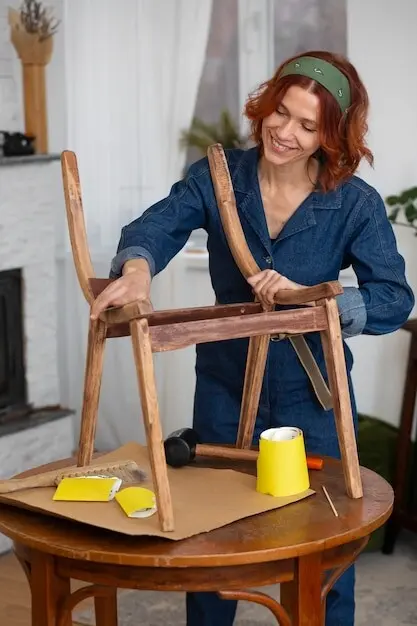
Lasting stability comes from understanding how pieces share load. Dowels, drawbored pins, and pocket screws each have a right moment. Traditional hide glue allows future reversals; cross‑linking PVA resists heat and moisture but can be harder to undo. Torque modestly, clamp with alignment blocks, and relieve racking with square references. I restored a wobbly dining chair by cleaning old glue, adding hardwood shims, and resetting pegs—silence returned instantly.

Tightening Loose Chairs Without Stripping Wood

The best fix respects fibers. Instead of driving thicker screws, gently steam dents, clean joints with warm water and patience, then ream glazed bores only enough for a snug fit. Add thin hardwood shims, not soft fillers, and use fresh, appropriate glue with cauls that prevent bruises. Clamp lightly, verify square, and let time cure strength. Share your chair victories, failures, and creative clamp setups so others learn faster.

Dowels, Biscuits, and Hidden Reinforcement

Dowels reinforce end‑grain challenges, biscuits align panels, and floating tenons add astonishing stiffness with minimal visibility. Choose species that match movement, avoid over‑drilling, and mark depth stops carefully. Dry‑fit everything; pencil witness lines guide reassembly when glue clocks start. My coffee table survived toddlers thanks to discreet floating tenons bridging a cracked apron. From the outside, only stability tells the story, while the silhouette remains charmingly unchanged and confident.

Surfaces That Survive Daily Life

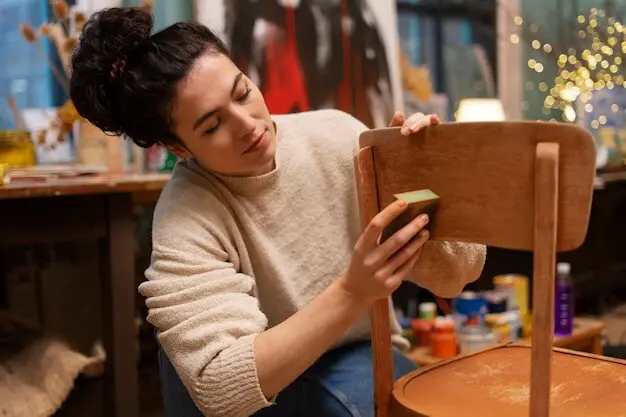
Finishes protect stories, not just wood. Choose durable films where water rings loom, or revive existing coatings with gentle cleaning before adding protection. Shellac loves alcohol but mends beautifully; oil‑varnish blends enrich grain; waterborne topcoats reduce odor and ambering. Patch, don’t strip, when character matters. A careful color match and feathered touch erase scratches while honoring years of breakfasts, homework scribbles, and friendly board‑game nicks gathered around memories.

Comfort Restored: Fabrics, Foam, and Leather

Support and touch define daily happiness. Replace tired webbing, choose foam densities that resist collapse, and pick fabrics rated for rub counts that outlast busy weeks. Hog rings, tack strips, and staple placement matter as much as pattern alignment. Leather thrives on gentle cleaning and periodic conditioning, never harsh heat. I revived a sunken loveseat by tightening jute, swapping cores, and reusing beautiful fabric—comfort returned without sacrificing beloved familiarity and warmth.

Reupholstery Basics for First‑Timers

Photograph every step during tear‑down; labels save sanity. Preserve old pieces as pattern templates, mark centerlines, and work symmetrically to avoid skew. Keep fabric tension firm but fair, smoothing from center outward. Replace dust covers, refresh webbing, and mind staple length to prevent prickly surprises. My first ottoman looked wavy until I learned to steam wrinkles and rest the fabric before final tacks. Your patience becomes your polish.

Cushion Science: Density, Loft, and Longevity

Foam density governs support, while ILD measures softness under load. Layer firm cores with softer wraps for welcoming resilience, then add batting to hide edges and support crisp lines. Zippered covers invite refreshing, extending service life between full rebuilds. Note seat usage patterns—favorite spots compress faster. When I swapped a too‑soft insert for a firmer core wrapped in feather‑blend, the sofa transformed overnight. Share your comfort formulas below.

Leather Care That Prevents Cracks and Fading

Sunlight steals color; dry air steals moisture. Dust regularly, clean with pH‑balanced solutions, and condition sparingly to prevent sticky residue. Test products in hidden corners and buff gently to revive luster without clogging pores. Avoid heat vents and winter radiators; place throws where belts or buckles rub. A scratched armrest softened beautifully after a careful clean and balm, aging gracefully instead of surrendering. Tell us your favorite balms.

Smooth Moves: Drawers, Doors, and Hardware

Friction fails quietly until it shouts. Correct drawer bind by waxing runners, planing proud edges, or retrofitting side‑mount slides that respect vintage lines. Doors drift when hinges sag; shims and proper pilot holes restore crisp reveals. Hardware deserves polish, not replacement, when patina sings. I reclaimed a sticky desk by truing guide grooves and adding discreet UHMW tape—suddenly, silence and glide. Share your clever low‑cost fixes that feel luxurious.

Aligning Hinges So Doors Don’t Drift

Door gaps tell a story. If a top reveal pinches, lower hinges may be biting or screws may have chewed fibers. Backfill with hardwood toothpicks and glue, re‑drill pilots, and reset. Add thin shims behind leaves to restore plumb, then test swing under gentle pressure. Finally, set stops to prevent over‑travel. A stubborn pantry door now closes with a whisper after tiny adjustments that anyone can master with patience.

Renewing Drawer Action with Slides or Wax

Traditional runners thrive on wax and a hint of graphite, but only after rails are flat and parallel. If wood has cupped, plane lightly, then wax again. For heavy use, retrofit quality slides, minding setback and parallelism through the full stroke. Keep screws short to avoid telegraphing bumps. My kid’s dresser stopped grinding overnight with two passes of paraffin and a touch of patience. Share your smoothest, simplest upgrades.

Salvaging and Polishing Vintage Hardware

Warm soapy water and a soft brush often reveal original sparkle without stripping history. For stubborn tarnish, use gentle metal polish and cotton swabs, protecting surrounding wood with tape. Straighten bent escutcheons slowly, back plates against wood blocks. Replace missing screws with period‑appropriate heads, not shiny intruders. Our hallway chest glows again after careful hardware cleaning, the brass softly winking under evening light. Tell us your favorite preservation techniques, not shortcuts.

Seasonal Checkups That Prevent Big Problems

In dry winter air, tighten chairs and condition leather; in humid summers, ease sticky drawers and check for swelling near end grain. Dust with intention, renew wax where rings once formed, and rotate cushions to even wear. These fifteen‑minute habits stop cracks from traveling and screws from wallowing. Share your seasonal routine, regional climate quirks, and favorite quick checks that keep everything quiet, sturdy, and gracefully ready for everyday life.

A Simple Repair Log You’ll Actually Use

Name each piece, list materials, and snap a few angles before and after. Record glue types, clamping times, stain mixes, and sheen notes. When the next touch‑up arrives, you’ll skip guesswork and go straight to results. Cloud folders or a small binder both work; consistency matters more than format. Post a template request in the comments, and we’ll share an easy printable to jump‑start your organized, confident workshop momentum.
Viminotohoxupulufu
Privacy Overview

This website uses cookies so that we can provide you with the best user experience possible. Cookie information is stored in your browser and performs functions such as recognising you when you return to our website and helping our team to understand which sections of the website you find most interesting and useful.